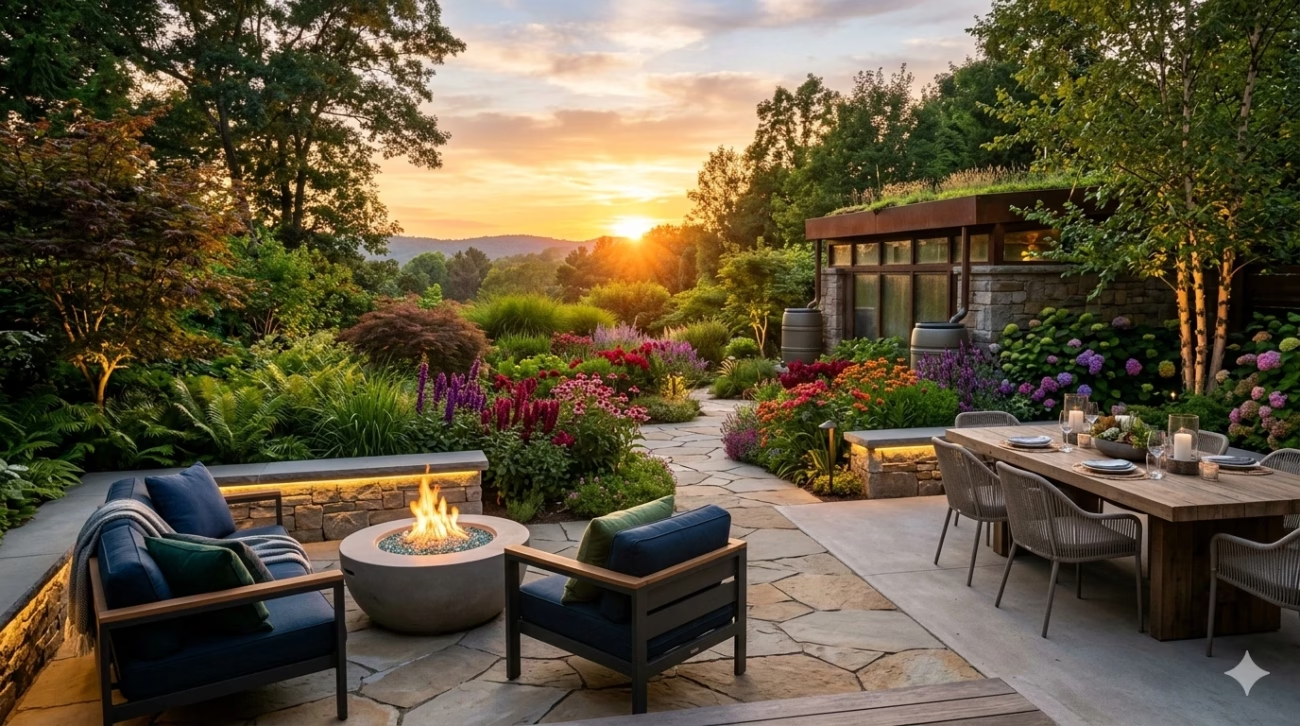
The future of Garden Design in 2026 is already taking shape. It is far more than aesthetics. Experts say gardens are evolving into climate-resilient, multi-functional outdoor spaces that blend sustainability, wellness, and everyday living.
Recent reports highlight a clear shift. Homeowners are no longer designing gardens just for beauty. They are building outdoor rooms, water-efficient landscapes, and eco-conscious environments that work with nature, not against it.
But what exactly is driving this transformation? And how can you apply it? Here is a detailed breakdown of the 10 essential garden design trends shaping 2026.
The Evolution of Garden Design in 2026
Garden design trends in 2026 reflect a broader lifestyle change. According to industry reports, outdoor spaces are now seen as extensions of the home. They combine comfort, sustainability, and functionality.
Meanwhile, climate concerns and changing weather patterns are pushing designers toward resilient planting systems, smart irrigation, and biodiversity-focused layouts.
The result is clear. Gardens are becoming smarter, more personal, and deeply connected to the environment.
10 Essential Garden Design Trends for 2026
1. Outdoor Rooms Replace Traditional Gardens
Gardens are being divided into functional zones, similar to indoor spaces.
- Outdoor kitchens and dining areas
- Lounge-style seating zones
- Covered patios for year-round use
Experts note that this shift is driven by the desire to entertain and relax outdoors without sacrificing comfort.
2. Climate-Resilient Landscaping Becomes a Priority
With extreme weather increasing, climate-smart design is no longer optional.
Key features include:
- Drought-tolerant plants
- Fire-resistant landscaping (firescaping)
- Heat-resistant plant varieties
Designers emphasize working with nature instead of forcing unnatural growth.
3. Water-Wise Gardening Takes Center Stage
Water management is one of the most critical trends in 2026.
Popular solutions:
- Rainwater harvesting systems
- Plant-based filtration gardens
- Smart irrigation technology
These systems not only conserve water but also enhance garden sustainability and biodiversity.
4. Low-Maintenance Gardens Get Smarter
Low-maintenance no longer means boring.
According to horticultural experts, modern gardens are designed to:
- Require minimal watering and pruning
- Use native plants that thrive naturally
- Self-sustained with minimal human intervention
This trend appeals especially to busy homeowners seeking beauty without constant upkeep.
5. Wellness Spaces Enter the Garden
Interestingly, gardens are becoming personal wellness retreats.
Trending additions include:
- Garden saunas
- Meditation corners
- Nature-integrated relaxation zones
This reflects a growing focus on mental health and outdoor therapy.
6. Structured, Monochromatic Planting
Gone are chaotic flower beds.
Designers are now favoring:
- Coordinated color palettes
- Symmetrical layouts
- Layered textures for year-round appeal
This creates a clean, modern aesthetic while maintaining visual depth.
7. Wildlife-First Gardening
Gardens are increasingly designed to support ecosystems.
Features include:
- Pollinator-friendly plants
- Bird habitats
- Native species planting
This trend supports biodiversity while making gardens more environmentally responsible.
8. Rich, Jewel-Tone Color Palettes
Color is making a bold comeback in 2026.
Expect to see:
- Deep reds and burgundies
- Emerald greens
- Plum and sapphire tones
These colors add drama and richness, replacing softer pastels of previous years.
9. Rewilding and Natural Landscapes
Perfectly manicured lawns are fading out.
Instead, homeowners are embracing:
- Wildflower meadows
- Natural growth patterns
- Organic, less structured layouts
This approach reduces maintenance and promotes ecological balance.
10. Tech-Integrated Gardens
Technology is quietly transforming garden design.
Innovations include:
- Smart irrigation systems
- Automated lighting
- Weather-responsive watering controls
These tools help maintain gardens efficiently while conserving resources.
Key Trend Comparison Table
| Trend | Purpose | Benefit |
|---|---|---|
| Outdoor Rooms | Expand living space | Better lifestyle and usability |
| Climate-Resilient Design | Adapt to weather | Long-term sustainability |
| Water-Wise Systems | Reduce water use | Lower costs and eco-friendly |
| Low-Maintenance Gardening | Save time | Easy upkeep |
| Wellness Spaces | Improve mental health | Relaxation and comfort |
Why These Garden Design Trends Matter
The shift in Garden Design is not just about style. It reflects bigger societal changes.
- Climate awareness is influencing plant choices
- Lifestyle changes are turning gardens into living spaces
- Technology is making maintenance easier
- Wellness culture is redefining outdoor experiences
Meanwhile, experts suggest that these trends will continue evolving as environmental challenges and urban living reshape how people interact with outdoor spaces.
The Bigger Picture: A New Relationship With Nature
What stands out in 2026 is a clear message. Gardens are no longer separate from daily life. They are becoming extensions of homes, reflections of personal values, and tools for sustainability.
Designers and analysts agree that the future of garden design lies in a balance between beauty, functionality, and environmental responsibility.
For homeowners, that means one thing. The garden of 2026 is not just something you look at. It is something you live in.
Similar Posts You May Like
The Smoky Pink Revolution: Why 2026 Is the Year of the Grown-Up Pink Bedroom
