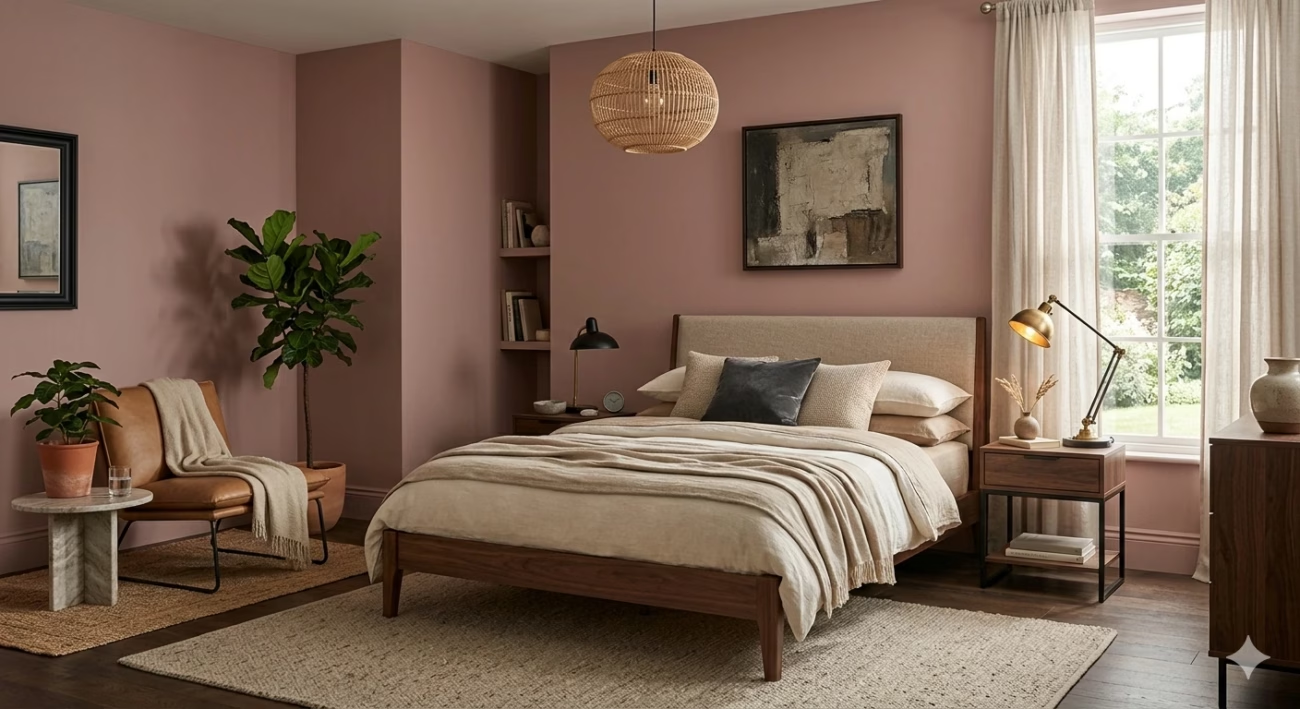
If you think a pink bedroom is inherently juvenile or a design risk, it is time to update your color palette. In 2026, pink is no longer just a “girly” accent; it is being celebrated as the new neutral. Designers are officially retiring the bright, bubblegum “millennial pink” of the past decade in favor of earthy, muted, and deeply sophisticated shades like smoky pink, dusty rose, and plaster tones.
The secret to pulling off this look lies in treating pink as a grounding base rather than a statement of femininity. By pairing these soft hues with natural materials, strong contrasting elements, and layered textures, you can create a bedroom that is not only calm and elegant but also entirely modern.
The Shift: From Sweet to Sophisticated
Data from interior design forecasts indicates a definitive move away from cool grays and sterile whites toward warmer, more emotional colors. Industry experts explain that 2026 marks a cultural shift where “smoky pink” and rosy terracotta are replacing cool neutrals as the dominant shades in home decor.
“This is not a ‘romantic’ color in the traditional sense,” explains architect Ornit Buchalter. “It is a very sophisticated shade that takes on a different interpretation in every type of lighting. In natural light it breathes; in artificial light it warms up.” This trend reflects a desire for homes that feel less like sterile showrooms and more like personal sanctuaries that convey warmth and optimism.
Choosing the Right Shade: Ditch the Sugar
When designing a grown-up pink bedroom, the specific hue you choose is critical. Experts universally agree that the “sugary” shades, neon pinks or pure bubblegum, should be avoided unless you are specifically designing for a child’s space.
Instead, look for pinks that have gray, brown, or beige undertones. These shades act as neutrals, providing a warm backdrop without overwhelming the senses. Popular choices for 2026 include:
- Smoky Pink / Dusty Rose: A muted, gray-based pink that feels calm and elegant.
- Plaster Pink / Terracotta: A warm, earthy pink with brown undertones that pairs beautifully with wood and stone.
- Blush: A soft, pale pink that works well as a wall color when balanced with dark or textured accents.
Expert Pairings: Creating Balance and Depth
The most successful pink bedrooms rely on a balancing act. Since pink brings softness and warmth to a room, it needs to be anchored by materials and colors that add weight and structure.
1. Anchor with Natural Materials
To prevent pink from feeling too “precious,” you must introduce organic elements. Raw wood, stone, and leather add a tactile, masculine energy that grounds the space. A walnut bed frame, a leather chair, or a stone-topped side table provides a necessary contrast to the softness of the walls.
2. The Power of Contrast (Black, Charcoal, and Brass)
While a pink and white room can feel airy, a grown-up version often requires a jolt of energy. Designers suggest using charcoal, navy, or black to add visual weight to the room. A black metal lamp, a charcoal grey bedspread, or brass hardware can instantly elevate a pink room from cute to chic.
3. Layer Your Textures
In a monochromatic or tone-on-tone scheme, texture is your best friend. To keep a pink bedroom from feeling flat, layer different fabrics and finishes. Velvet pillows, a matte plaster wall, a linen duvet, and a rattan pendant light create a tactile palette that reads as luxurious and curated rather than one-dimensional.
How to Style Your Grown-Up Pink Bedroom
Implementing these ideas does not necessarily require a full renovation. Here is how to apply these principles to your space, whether you are renting or renovating.
The Accent Wall (Elevated)
If painting an entire room feels too bold, start with an accent wall. However, 2026 trends suggest moving away from a simple flat paint color. Consider using limewash or a textured plaster finish. These materials reflect light differently than flat paint, creating a subtle, shifting depth that feels organic and artistic.
The Lighting Strategy
Lighting is arguably the most important factor in making pink work for adults. Pink changes dramatically depending on the light source.
- Temperature: Always use warm white bulbs (2700K–3000K). Cool light will make pink look muddy or purple.
- Layering: Relying on a single overhead light will flatten the color. Use a combination of bedside lamps, floor lamps, and dimmers to create a cozy, intimate atmosphere. Dimmers allow you to shift the room from bright and energetic during the day to sultry and calm at night.
The “Unexpected” Neutral
One of the most advanced techniques for 2026 is treating pale pink as a neutral backdrop. You can unify the entire room by painting the walls, ceiling, and trim all the same muted pink shade. This creates a “monochromatic cocoon” effect that visually expands the space and highlights the shape of the room, rather than fragmenting it with white trim.
The Verdict: A Sanctuary of Warmth
The rise of the pink bedroom in 2026 is not just a fleeting fad; it is a response to a chaotic world. As we seek refuge from digital noise and urban stress, we are drawn to colors that soothe the nervous system. “Smoky pink offers softness without being too sweet,” says designer Guy Buchalter. “It allows guests to ‘feel at home’ even before they take off their shoes.”
By swapping out bright pinks for dusty tones, anchoring the softness with wood and stone, and adding a hit of black or brass for contrast, you can transform your bedroom into a sophisticated retreat that is undeniably modern and perfectly you.
Similar Posts You May Like
10 Essential Garden Design Trends for 2026
