2026 Home Decor Trends Are Breaking All the Rules. Here’s What’s Taking Over Homes
Minimalism isn’t dead. But it’s no longer enough. The home decor trends 2026 are shifting dramatically toward warmth, personality, and lived-in comfort. Homes are no longer styled like showrooms. They are designed to feel real.
So what’s actually changing? Why are designers moving away from cold, all-white interiors? And more importantly, how can you apply these trends in your own space without a full renovation?
Here’s the truth. 2026 is the year your home finally starts to reflect you, not a catalog.
The Biggest Home Decor Trends 2026 You Need to Know
According to multiple interior design forecasts and expert reports, home decor trends 2026 revolve around one central idea: comfort meets individuality.
Let’s break down the major shifts shaping modern interiors this year.
1. Warm Minimalism Replaces Cold Interiors
Minimalism isn’t disappearing. It’s evolving.
Instead of stark white walls and empty spaces, warm minimalism blends simplicity with comfort:
- Soft beige, terracotta, and earthy tones
- Natural wood finishes
- Layered textures like linen, wool, and bouclé
According to design experts, homeowners are prioritizing comfort over perfection and creating spaces that feel lived-in rather than staged.
FOV Insight: This shift reflects lifestyle changes. People are spending more time at home and want spaces that feel emotionally supportive, not sterile.
2. Bold Colors and Color-Drenching Take Over
Say goodbye to all-gray and all-white interiors.
In 2026, color is back, and it’s bold:
- Deep greens, navy blues, and chocolate browns
- Jewel tones like emerald and sapphire
- Full-room color-drenching, where walls, ceilings, and trims share one tone
Designers report a strong return to richer hues and expressive palettes, replacing neutral monotony.
Why it matters: Color is being used not just for aesthetics, but to shape mood and identity within a space.
3. Vintage and Antique Pieces Are Back in Demand
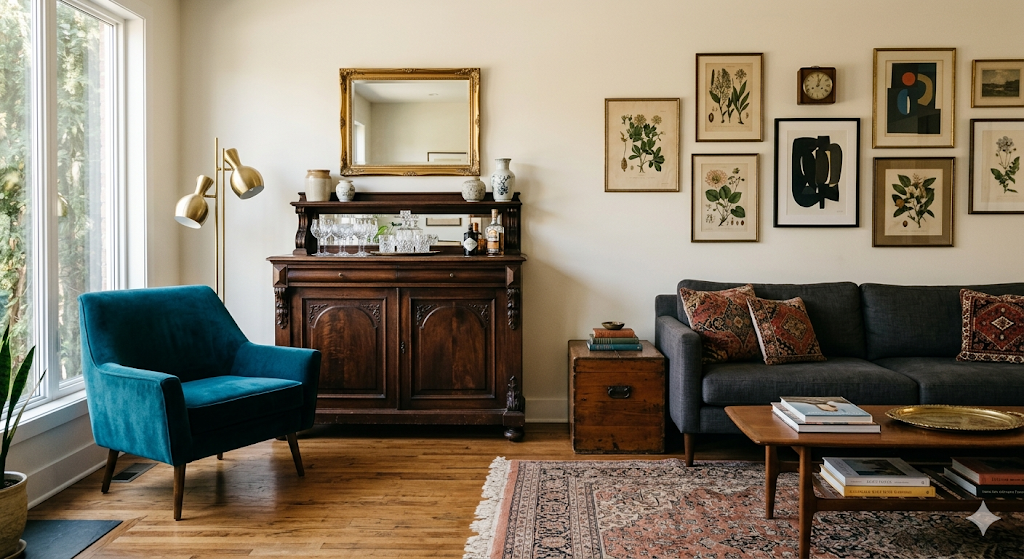
One of the most talked-about 2026 home decor trends is the rise of vintage.
Trending pieces include:
- Murano glass decor
- Mushroom lamps
- Burl wood furniture
- Leather chairs and antique desks
Reports highlight a growing demand for craftsmanship and character-driven interiors using antiques and heirloom items.
FOV Insight: This isn’t just nostalgia. It’s sustainability. Reusing older pieces reduces waste while adding uniqueness.
4. Sustainable and Eco-Friendly Design Becomes Standard
Sustainability is no longer optional. It’s expected.
Key elements include:
- Reclaimed wood furniture
- Natural fibers like linen and cotton
- Recycled materials and handmade decor
Experts emphasize that sustainability now defines modern luxury and design decisions.
What’s changing: Instead of mass-produced decor, homeowners are choosing quality over quantity.
5. Lived-In Spaces Replace Perfect Interiors
]
Perfection is out. Personality is in.
Homes in 2026 are:
- Slightly imperfect
- Layered over time
- Filled with meaningful objects
Designers note a strong movement toward homes that feel authentic and actually lived in, rather than styled for social media.
Examples:
- Eclectic gallery walls
- Mixed furniture styles
- Personal collections and travel pieces
6. Curved and Sculptural Furniture Adds Softness
Sharp lines are fading. Curves are everywhere.
Trending furniture styles:
- Rounded sofas
- Sculptural lighting fixtures
- Organic shapes in tables and decor
Curvilinear furniture is gaining popularity for creating softer, more inviting interiors.
FOV Insight: Curves psychologically feel safer and more relaxing, aligning with the comfort-first design movement.
7. Purpose-Driven Spaces Are Replacing Open Layouts
Open floor plans are evolving into functional zones.
2026 homes prioritize:
- Dedicated workspaces
- Wellness areas such as meditation rooms and spa-like bathrooms
- Defined living and dining zones
Reports suggest homeowners are designing rooms based on specific lifestyle needs rather than aesthetics alone.
8. Natural Materials and Texture Take Center Stage
Flat, lifeless surfaces are out.
In 2026, texture is everything:
- Stone such as marble and travertine
- Wood with visible grain
- Handmade ceramics
- Layered textiles
Designers highlight a growing focus on tactile materials that add depth and warmth to interiors.
9. Kitchens and Bathrooms Get Warmer and More Personal
Even functional spaces are becoming expressive.
Kitchen trends:
- Warm-toned cabinets, such as terracotta and brown
- Mixed metal hardware
- Natural stone surfaces
Bathroom trends:
- Soft green tones for relaxation
- Spa-inspired design
- Natural lighting and plants
Industry predictions indicate green shades and warm materials will dominate bathroom design in 2026.
What’s Officially Out in 2026?
Here’s what designers are moving away from:
- All-white kitchens and interiors
- Matching furniture sets
- Industrial minimalism
- Overly polished, Instagram-perfect homes
Experts note a growing fatigue with homes that lack character and individuality.
Quick Comparison: Old vs New Design Mindset
| Old Trends (Pre-2026) | New Trends (2026) |
| Cold minimalism | Warm minimalism |
| Neutral-only palettes | Bold, layered colors |
| Matching furniture | Eclectic mixing |
| Mass-produced decor | Vintage and handmade |
| Open layouts | Functional zones |
| Perfection-focused | Personality-driven |
How to Apply 2026 Home Decor Trends Without Renovating
You don’t need a full makeover to stay current. Start small.
Easy upgrades:
- Add earthy-toned cushions or rugs
- Introduce one vintage statement piece
- Swap lighting to warmer tones
- Create a mini gallery wall
- Use plants for natural texture
Pro tip: Focus on layering. Use color, texture, and personal items rather than replacing everything.
The Bigger Picture: Why These Trends Matter
The evolution of home decor trends 2026 isn’t random. It reflects a deeper cultural shift.
- People want comfort over aesthetics
- Homes are becoming multi-functional spaces
- Sustainability is shaping buying decisions
- Individual identity is replacing trend-following
Analysts suggest that modern interiors are no longer about impressing others, but about improving everyday life.